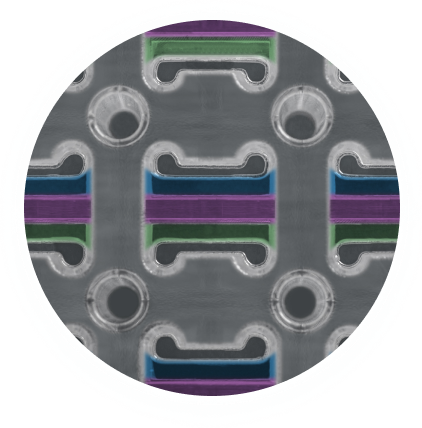
Immediately upon contact between blood and a synthetic material, protein adsorption begins. A conditioning layer is rapidly formed that determines how the device is subsequently recognised by the immune and coagulation systems. This layer promotes platelet activation, leukocyte adhesion, and, over time, thrombus formation and biofilm development, all of which reduce device performance and increase infection risk. Hydrophilic surface coatings target this initial step directly. By binding a layer of water at the surface, it creates a water-rich barrier between the device and the biological environment thus minimizing protein adsorption and cellular attachment.
How Hydrophilic Coatings Reduce Biofouling
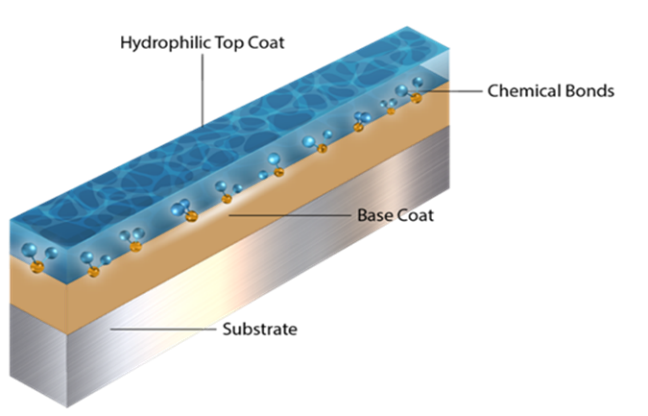
Hydrophilic coatings reduce protein adsorption through two primary mechanisms. First, hydrophilic polymer chains such as polyethylene glycol (PEG) or polyvinylpyrrolidone (PVP) form a densely hydrated surface layer that acts as a physical barrier to proteins and microorganisms. Second, flexible polymer chains resist compression, creating steric repulsion forces that prevent the conformational changes proteins must undergo to adsorb stably onto a surface. Together, these effects produce a low-fouling interface that resists both protein deposition and the subsequent cellular recruitment it triggers. For blood-contacting devices, maintaining a low-fouling surface is particularly important for supporting long-term hemocompatibility and reliable performance.
Key Benefits of Hydrophilic Coatings
Devices that benefit from the addition of a hydrophilic surface coating include:
- Catheters
- Guidewires
- Blood filters
For these applications, surface fouling has direct clinical consequences such as reduced dialysis membrane efficiency, and an increased risk of thrombotic occlusion and infection. Hydrophilic coatings directly address these pitfalls and present several benefits such as:
Reduced Protein Adsorption: Limiting protein attachment reduces downstream biological reactions that mediate platelet and leukocyte adhesion which compromise device performance.
Improved Hemocompatibility: Surfaces with low protein affinity show reduced platelet activation and thrombin generation, supporting longer functional device lifetimes in blood-contacting environments.
Reduced Biofilm Formation: Bacterial colonisation of implant surfaces typically begins with attachment to an adsorbed protein layer. Suppressing this reduces the probability of initial bacterial adhesion and subsequent biofilm development.
Maintained Device Performance: Fouling-resistant surfaces preserve functional characteristics like membrane permeability and lubricity throughout the device’s intended service life.
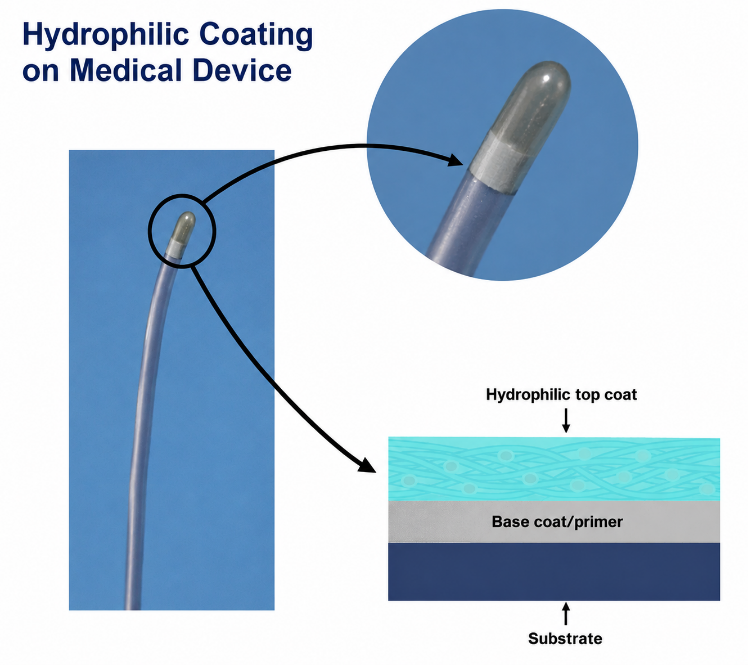
Taken together, these benefits highlight intervention at the point of first contact as more effective than managing its consequences downstream. As guidewires, catheters, and other blood-contacting devices are used for longer durations and in higher-risk patients, coating chemistry will be a key determinant of clinical performance.
Smart Reactors are leaders in advanced medical device coatings. We combine expertise in surface engineering, material science, and biological testing to create solutions tailored to specific clinical applications. From concept development through to performance validation, we work with partners to design coatings that enhance biocompatibility, minimise fouling, and improve long-term device performance.
To learn more about our coating development capabilities, explore our resources or contact our team to discuss your application.