Medical implants have transformed modern healthcare, enabling millions of patients worldwide to regain mobility and improve their quality of life. From dental implants and orthopaedic devices to cardiovascular stents, these technologies have become indispensable in treating a wide range of conditions. However, when a medical implant is placed into the body, the device faces an immediate biological challenge. Contact of the artificial surface with tissue and fluids results in immediate protein adsorption to the surface, fostering an environment for bacterial colonisation and biofilm formation.
As healthcare providers and medical device manufacturers seek to improve long-term patient outcomes, antimicrobial surface technologies are emerging as an important tool in the development of implants. In particular, passive antimicrobial coatings are attracting interest for their ability to reduce bacterial attachment with minimal surface preparation and a simplified application process when compared to active coatings.
The Challenge of Implant-Associated Infections
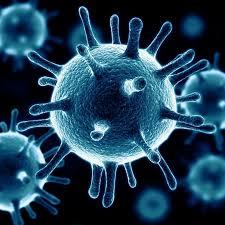
While modern implants are engineered to integrate with surrounding tissue, these surfaces can also provide opportunities for bacteria to adhere and multiply. Implant-associated infections (IAI) are among the most costly and difficult-to-treat complications in modern healthcare. IAIs are characterized by microbial biofilm formation on implant surface and requires, in the majority of cases, a complete device removal along with a prolonged antimicrobial therapy.
What makes these infections particularly difficult to manage is the development of the aforementioned microbial biofilm. Once bacteria adhere to an implant surface and establish a biofilm they become dramatically more difficult to eliminate, often demonstrating increased resistance to antibiotics and immune system responses. Therefore, the solution to such a problem lies in preventing bacterial adhesion and biofilm formation rather than subsequent treatment of the infection.
Passive vs. Active Antimicrobial Coatings
Antimicrobial surface coatings broadly fall into two categories; active and passive. Active coatings typically operate via the release of antimicrobial agents such as silver nanoparticles, antibiotic compounds, or antimicrobial peptides into the surrounding tissue. While active surface technologies can be effective in a host of applications, they exhibit a plethora of limitations. For example, drug loading is finite and release kinetics of antibiotic compounds can be difficult to control. Furthermore, there is growing regulatory and clinical concern around contributing to antimicrobial resistance over time.
Passive antimicrobial coatings enact action through a different principle. They modify the device surface to make bacterial adhesion and biofilm formation unfavourable and more difficult. Alteration of charge, wettability, or molecular architecture are all surface chemistry adjustments that allow passive coatings to reduce the protein adsorption events that bacteria initially exploit. There is no drug to deplete, no resistance pathway to select for, and no finite window of protection. For long-term implants, where the device must remain infection-free over years or decades, this passive paradigm is increasingly the preferred approach.
Passive Coatings for Dental Implants
Few implant environments illustrate the challenge of infection control more clearly than the oral cavity. Dental implants breach the transcutaneous interface, the point where a device crosses from the external environment into the body. Additionally, the implant surface, from the crown to the abutment to the screw, represents a continuous microbial pathway within an exceptionally bacteria-rich environment.
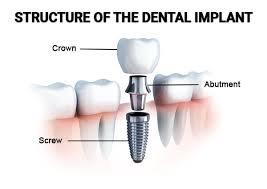
The inflammatory destruction of the bone and soft tissue around a dental implant is referred to as peri-implantitis and is driven by bacterial biofilm formation. It affects an estimated 20% of implant patients over the long term and represents one of the leading causes of late implant failure. Surface modification of the dental implant offers a preventive strategy. A passive antimicrobial coating applied to the surface can reduce the initial biofilm burden in the weeks after implant placement when the peri-implant tissue is most vulnerable. Critically, because passive coatings do not rely on drug elution, their protective effect is not time-limited in the way that antibiotic-loaded alternatives are. The implant surface also needs to support osseointegration which creates a secondary design requirement. This dual demand rules out approaches that are broadly cytotoxic at the surface level, reinforcing the benefit of passive surface chemistries that selectively disfavour bacteria without compromising cell behaviour.
The field of antimicrobial surface technology is moving rapidly. What is becoming clear is that surface performance, not systemic pharmacology, will increasingly define implant infection outcomes.
At Smart Reactors, we offer a wide range of testing services to ensure your coating is thoroughly evaluated and performs as intended. Whether you are searching for a new coating for your medical device or validating performance ahead of a product launch, our team brings the technical expertise and hands-on experience to deliver the data you need with confidence.
To find out more about our capabilities or to discuss the specific requirements of your coating programme, get in touch with the Smart Reactors team today.