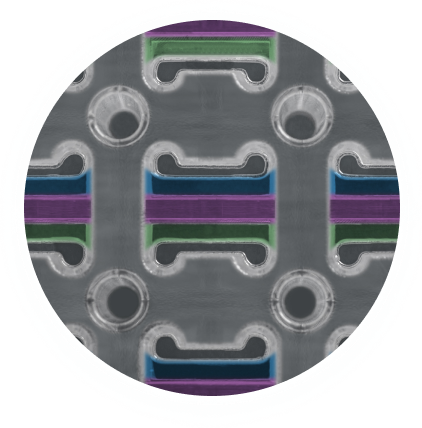
Within the first hour’s post-implantation, both host cells and bacteria race to occupy the same surface. Successful host cell adhesion, proliferation, and tissue layer formation results in stable implant integration and progressive closure of the infection window. However, bacterial colonisation initiates extracellular matrix secretion and biofilm development, rendering the surface as effectively unreachable by immune cells and systemic antibiotics. The trajectory of this competition is largely determined within the first 72 hours, and coating design is an increasingly decisive factor in its outcome.
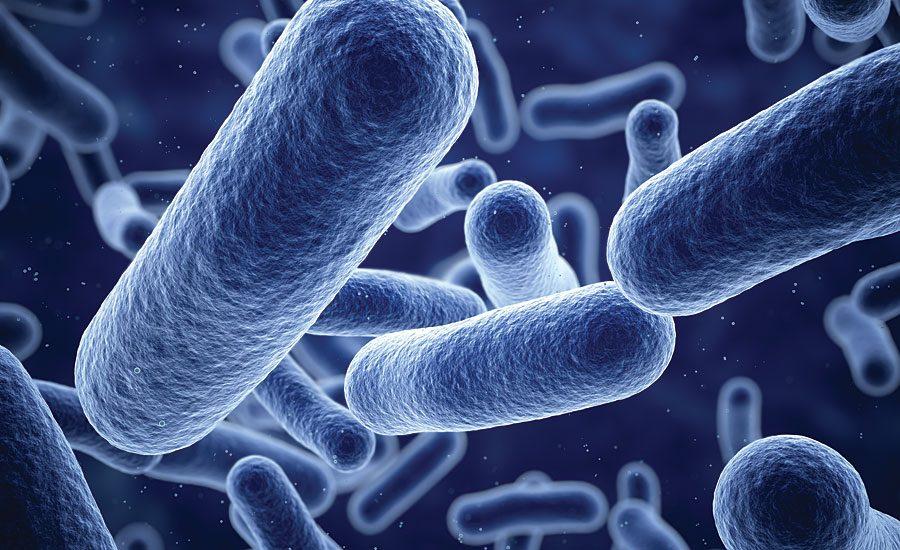
The critical period is narrow. Bacterial adhesion to an uncoated implant surface can occur within minutes of implantation, facilitated by the protein conditioning layer that forms immediately upon blood contact. Fibrinogen and other proteins adsorb rapidly onto artificial surfaces, and many pathogenic organisms like S. aureus and S. epidermidis express surface adhesins that bind specifically to these host proteins. Stable bacterial attachment can be established within two to six hours. Biofilm maturation follows within 24 to 48 hours. By contrast, meaningful host cell coverage of an implant surface typically requires several days. Without surface-level intervention, bacteria have a structural head start.
How Coatings Shift the Outcome
Antimicrobial coatings intervene at multiple points in this timeline, and the most effective strategies address both suppressing of bacterial colonisation while actively supporting host cell recruitment.
Early antimicrobial activity: Coatings that elute antibiotics or release silver ions during the immediate post-implantation period target the window of maximum infection vulnerability. High local drug concentrations at the surface can suppress bacterial adhesion and early biofilm formation without requiring the systemic antibiotic exposures that contribute to resistance selection.
Contact-killing surfaces: Certain coatings (cationic polymer coatings and quaternary ammonium compounds) disrupt bacterial membrane integrity on direct contact, providing sustained antimicrobial activity without depleting a drug reservoir. These surfaces are effective against adhering bacteria but do not address the protein conditioning layer that facilitates initial attachment making them most useful in combination with anti-adhesive surface chemistries.
Host cell recruitment: Coatings functionalised with ECM-mimicking peptides, growth factors, or bioactive sequences accelerate the host coverage. Surfaces that present immobilised VEGF promote endothelial or osteogenic cell adhesion and proliferation, increasing the rate at which host tissue coverage is established. Faster integration reduces the unoccupied surface area available for bacterial colonisation during the critical early period.
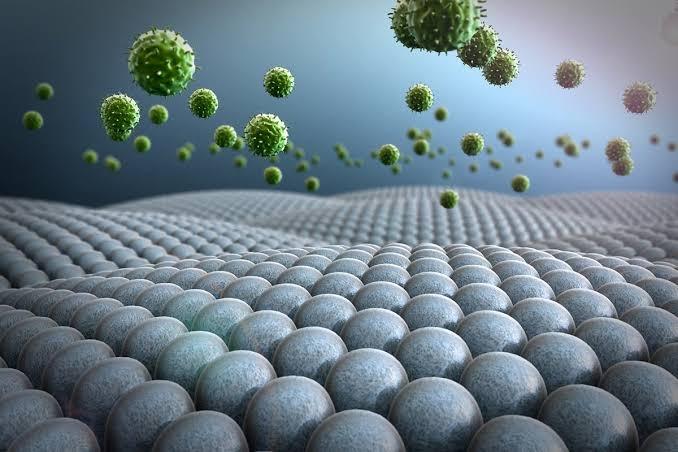
Immunomodulatory surfaces: The innate immune response to implantation creates a local environment that can paradoxically impair both host cell integration and antimicrobial defence. Coatings that modulate responses like macrophage recruitment or reactive oxygen species generation reduce non-specific inflammation while preserving directed immune activity against bacteria. This supports controlled healing and a more competitive host cell response.
Immune Evasion
Bacteria competing for implant surfaces have evolved mechanisms specifically suited to this environment. S. aureus produces protein A and clumping factors that interfere with opsonisation, reducing phagocytic clearance. The implant surface itself creates an immunologically compromised zone with high concentrations of foreign material and adsorbed proteins that impair leukocyte function. Coating strategies that reduce the bacterial load at the surface and simultaneously support immune function address both sides of this vulnerability.
Implant-associated infection is not primarily a systemic problem and is decided in a narrow post-implantation window by the speed of host cell integration and bacterial colonisation. Antimicrobial coatings that act within this window, suppressing bacterial adhesion while supporting host cell recruitment and immune function, are aligned with how infection is established. As implant use expands into higher-risk patient populations and device lifetimes extend, coatings that can reliably influence the race for the surface will be central to improving implant safety outcomes.
At Smart Reactors, we develop advanced surface technologies. From antimicrobial and anti-adhesive chemistries through to bioactive coatings that support osseointegration and tissue coverage, our team works with device developers to optimise and validate coating strategies matched to the specific demands of their implant application.
To discuss your implant coating requirements or to find out more about our capabilities, get in touch with the Smart Reactors team today.