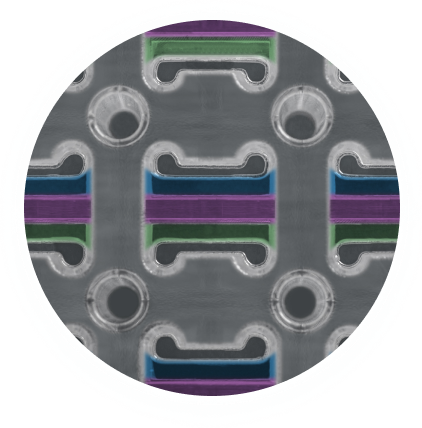
Blood-contacting medical devices have transformed modern healthcare, offering lifesaving interventions across cardiovascular, neurovascular, and renal applications. However, their long-term success depends heavily on how they interact with the body — particularly the blood and surrounding tissues. Without the right surface properties, even the most advanced devices can trigger complications such as thrombosis, infection, inflammation, or delayed healing.
At Smart Reactors, we developed Camouflage™, a multifunctional surface coating technology that addresses these challenges in one integrated solution. Designed for blood-contacting and long-term implants, Camouflage™ enhances hemocompatibility, safety, performance, and healing outcomes. This article outlines the key coating functions that matter in medical device development.
Hemocompatibility: Managing Blood Interaction
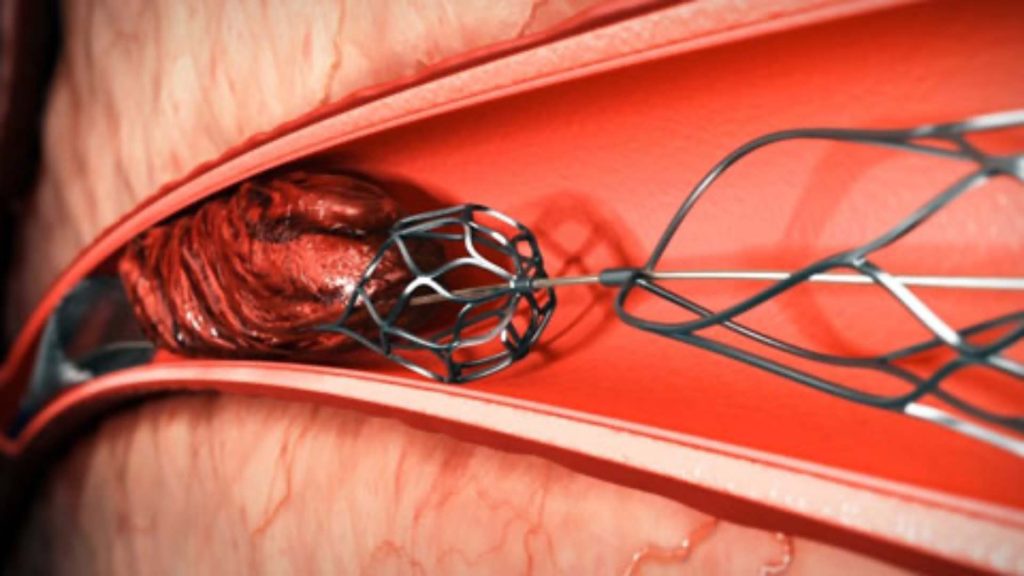
One of the biggest risks for vascular and cardiovascular implants is thrombosis — the formation of blood clots. When foreign materials come into direct contact with blood, they can trigger clotting cascades and platelet adhesion. Camouflage™ provides a non-thrombogenic surface that helps minimize clot formation, improving hemocompatibility without relying on systemic anticoagulants.
Devices that benefit include:
- Flow diverters
- Cardiovascular implants (catheters, guidewires, stents etc.)
- Heart valve implants
- Arteriovenous grafts for dialysis
- Left ventricular assist devices (LVADs)
- Pacemaker and defibrillator leads
- Dental Implants with controlled endothelization
These devices require coatings that do not activate platelets or damage blood components. By reducing thrombus formation (coagulation cascade) Camouflage™ supports smoother integration and better long-term endotheliziation (endothelial cell growth).
Antimicrobial Medical Device Coating Properties: Preventing Medical Device-Related Infections
Implantable devices are at risk of infection, especially those accessed regularly or implanted in immune-sensitive environments. Repeated exposure to pathogens can lead to biofilm formation, which is difficult to treat and often requires medical device removal.
Camouflage™ incorporates antimicrobial features that resist microbial adhesion and colonization, offering an added layer of protection where it’s most needed.
Relevant applications include:
- Hemodialysis access grafts
- Peritoneal dialysis catheters
- Cochlear implants
- Neurostimulation systems
- Long-term vascular access ports
By limiting microbial activity at the surface, Camouflage™ helps reduce infection risk, support device longevity, and improve patient outcomes.
Endothelialization: Promoting Natural Healing
For vascular implants, healing depends on re-establishing a healthy endothelial layer over the device surface. Poor endothelialization can lead to inflammation, thrombosis, or restenosis. Camouflage™ is engineered to support endothelial cell adhesion and proliferation, facilitating faster and more complete tissue coverage.
Devices that benefit include:
- Neurovascular Devices e.g. flow diverters
- Cardiovascular Implants
- Dental Implants
- Heart valve prostheses
- Bypass grafts
- Stents
A coating that encourages cellular integration not only reduces complications but also supports long-term vessel remodeling and functionality for implantable medical devices.
Biocompatibility and Inflammation Control
Beyond blood and microbial interaction, devices must also avoid provoking a strong immune response. Chronic inflammation or fibrosis around the implant can compromise both mechanical performance and patient comfort. Camouflage™ is formulated for high biocompatibility, minimizing foreign body reaction and encouraging tissue-friendly integration.
Benefiting devices include:
- Cardiac leads
- Neurostimulators
- Cochlear implants
- Emerging orthopedic or spinal devices
By controlling inflammation at the surface, Camouflage™ helps avoid encapsulation and enhances the long-term stability of the implant.
One Surface. Multiple Benefits
Camouflage™ simplifies coating strategies by combining hemocompatibility, antimicrobial protection, and healing promotion in a single, durable layer. For manufacturers, this means reduced complexity and faster integration into product development. For patients, it means better outcomes and fewer complications.
Smart Reactors partners with medical device developers to deliver advanced surface solutions that meet today’s clinical challenges. If you’re working on a next-generation implant, Camouflage™ may offer the performance edge you need.
Visit www.smartreactors.com or email info@smartreactors.com to discuss how we can support your device.